
BOPP Dyne Levels Drop at Higher Speed: What to Check Before Replacing the Corona Roll
Troubleshoot a BOPP dyne drop after a speed increase by checking corona output, treated width, line speed and treated sides before inspecting the roll.
If biaxially oriented polypropylene (BOPP) reads lower after a line speed increase, compare what the treater actually delivered at both speeds. Then repeat the dyne test under matched conditions. Use those results to decide whether a stopped inspection should focus on the roll, the wider station or the film and process.
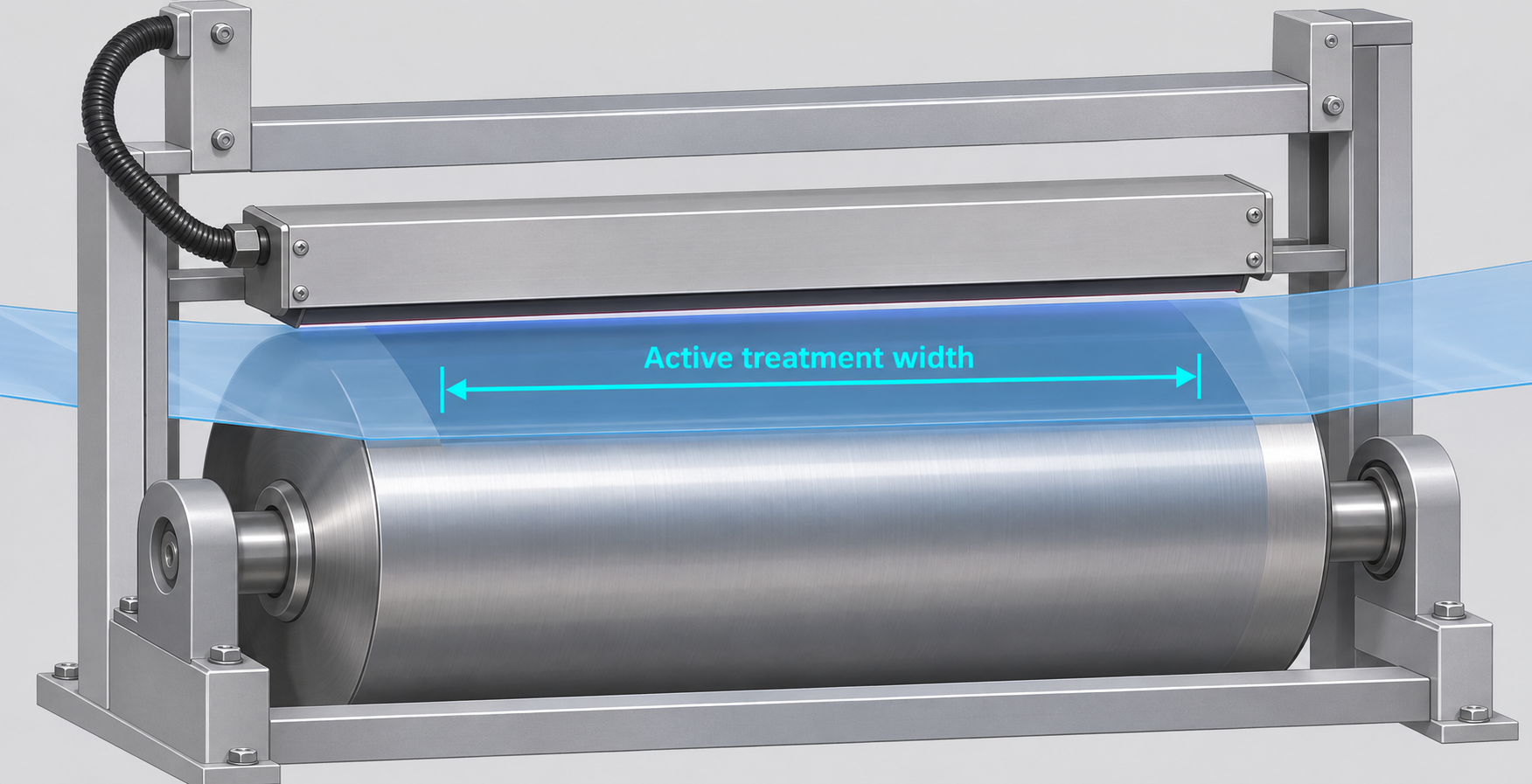
Compare actual treatment at both speeds
Record actual power supply output, effective treatment width, actual web speed and the number of sides being treated at stable baseline and higher speeds. Confirm the active electrode coverage and treated faces from the job setup. For the applicable treater arrangement, compare watt density by dividing output in watts by treatment width in metres, line speed in metres per minute and the number of treated sides. Review alarms or output limits if actual power does not follow the command. At unchanged output, width and side count, higher speed reduces calculated watt density. The resulting dyne change depends on the film and system. Enercon on watt density and dyne levels
Repeat the dyne test under matched conditions
Use the same film grade and preferably the same lot, sampling the same treated side and matched cross-web locations. Use the same validated test method, solution or pen condition, read time and interval after treatment. Compare stable runs and log any film lot, additive or storage differences. Record readings across the width to distinguish a broad shift from a persistent low-reading lane. Enercon on dyne solutions and pens
Inspect the roll and station during a planned stop
If the drop persists, have qualified personnel follow plant isolation and OEM procedures before physical inspection. Confirm the station configuration and inspect electrode condition, air-gap uniformity and the specified grounding arrangement. Check the roll face for buildup or damage and inspect the cover where fitted. Review interlock and fault records with maintenance. Compare any localized surface or gap finding with the low-reading lane before assigning the fault to a component. Enercon troubleshooting guidance · Enercon corona treater maintenance tips
Send the evidence with any replacement inquiry
If inspection implicates the roll, provide its station and approved drawing revision, working diameter and face length, interfaces, surface or cover requirements and operating speed range. Include the inspection findings and matched dyne results. Agree on shop checks and a repeatable production trial on the relevant BOPP grade before placing the order. HUATAO Corona Roll
Procurement FAQ · Technical resources
Other rolls in this family
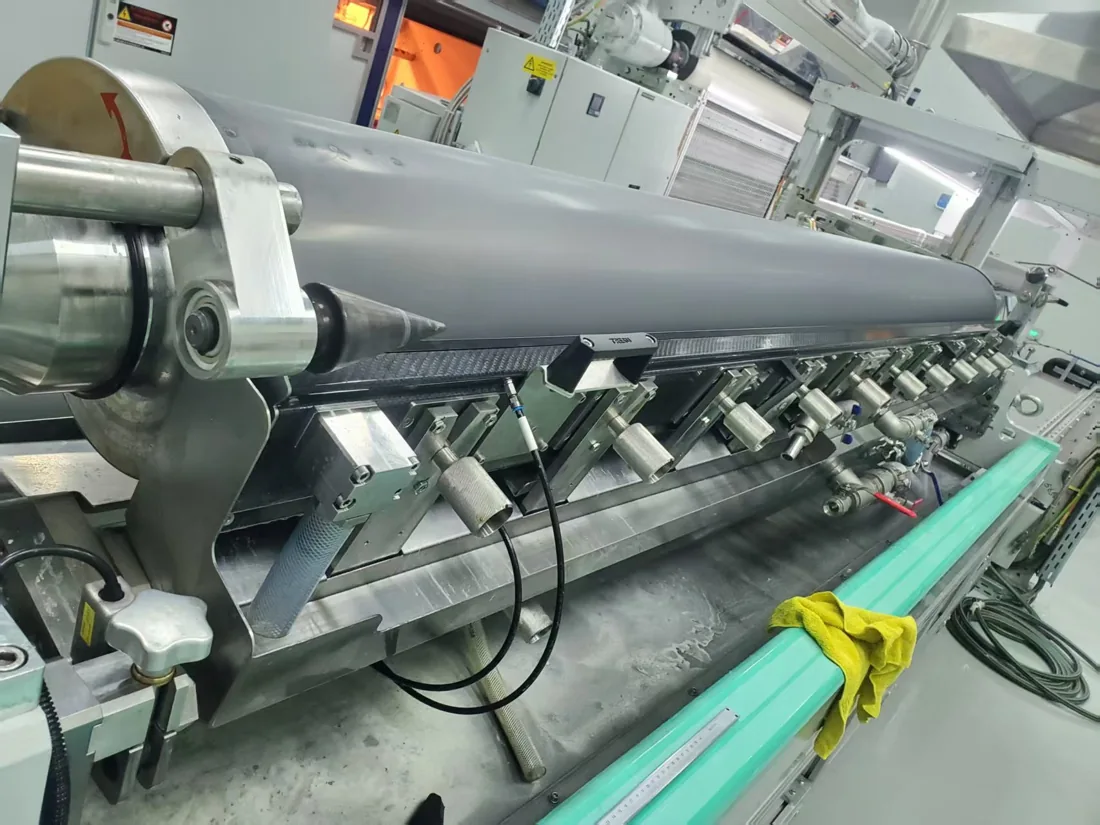 Gravure RollIdentify the coating transfer position and the existing engraving.
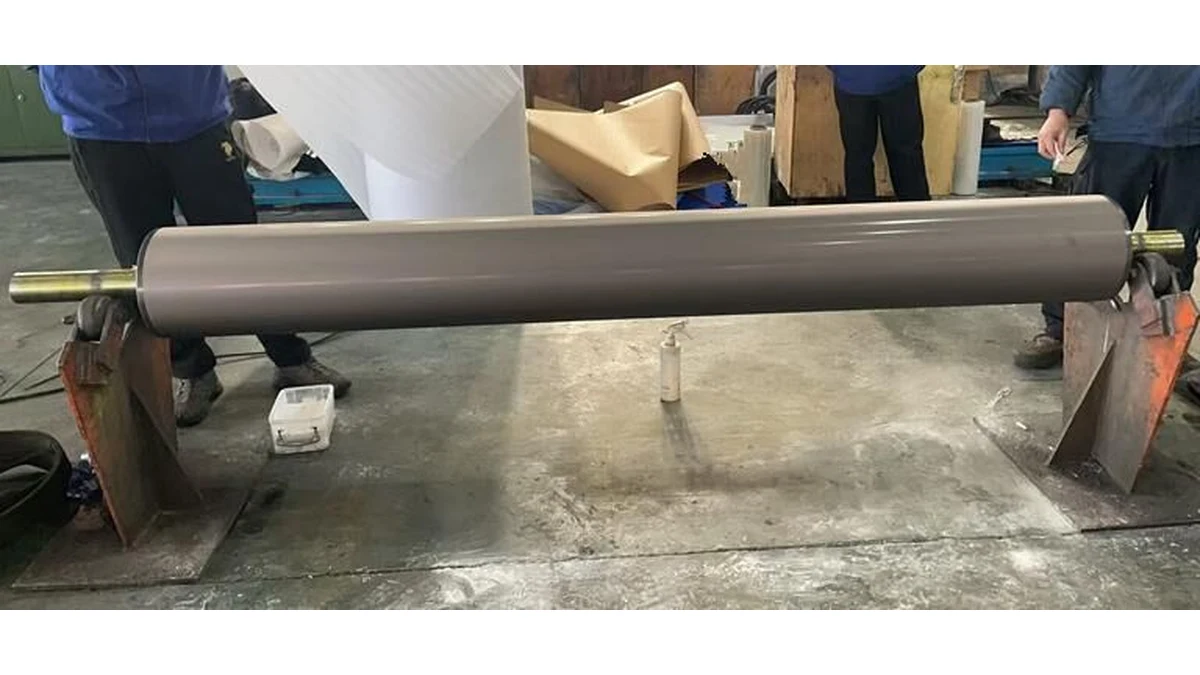 Ceramic Coating RollMeters and transfers coating liquids to a substrate.
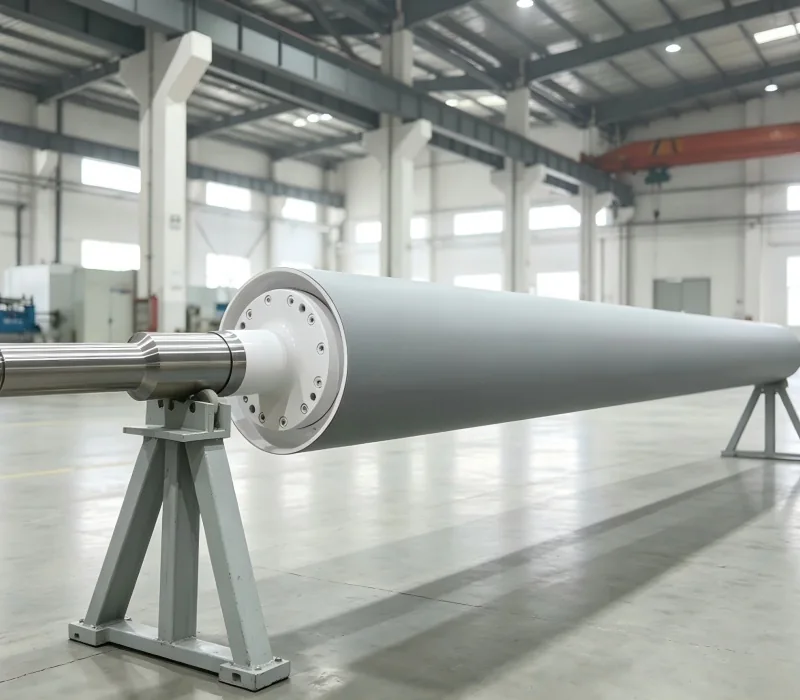 Corona Roll